



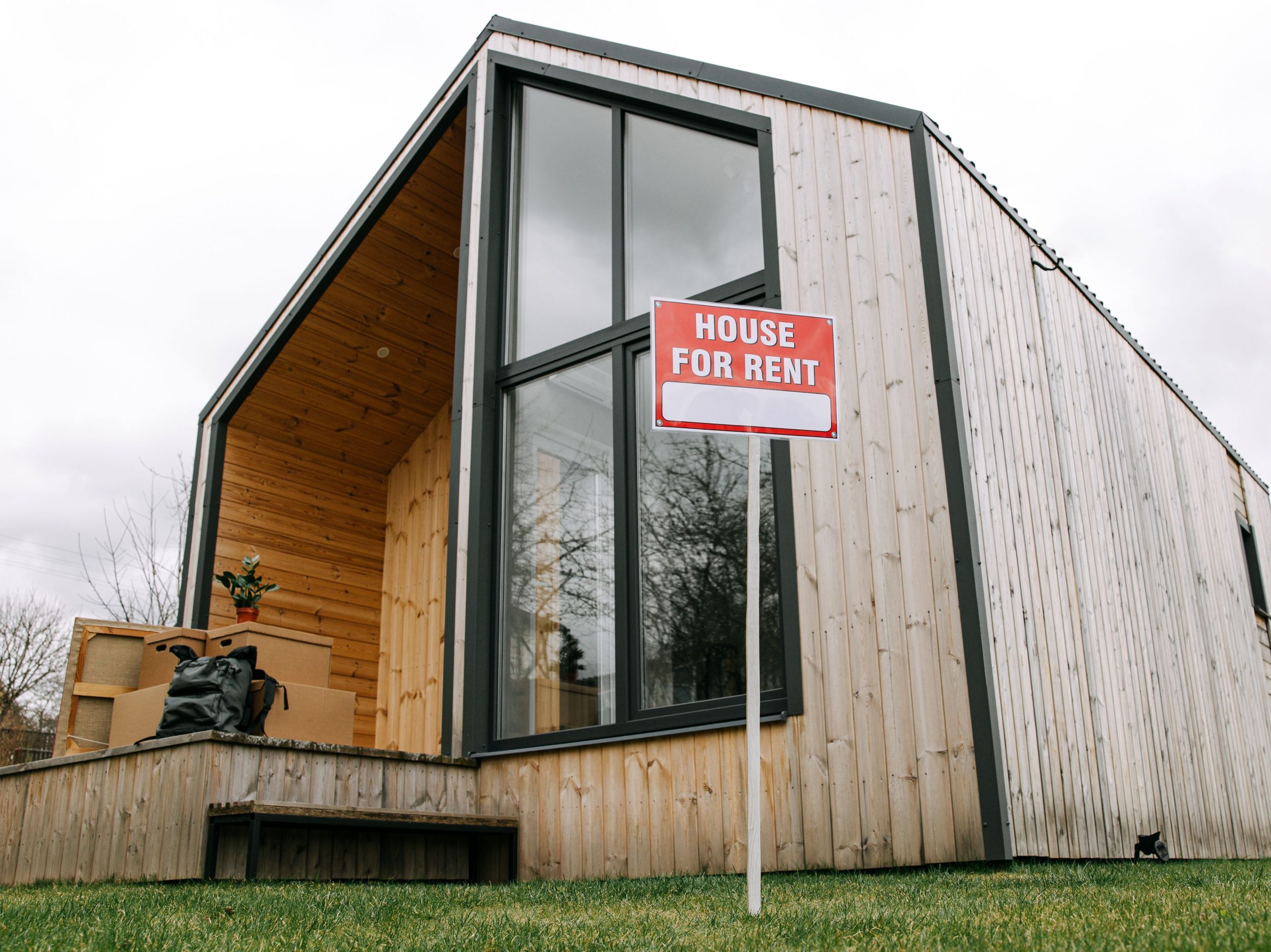
For homeowners leveraging equity who want a first rental property investment, the opportunity is real: a primary residence can become the launchpad for using home equity for real estate. The tension is just as real, pulling value out of a home can raise monthly obligations and put hard-earned stability on the line if the rental underperforms or requires more work than expected. That is why a sound rental decision requires two different questions. Financing tells you whether you can buy the property. Engineering, inspections, permitting, and resilience planning help determine whether you should. A property that works on paper can become a very different investment once structural conditions, unresolved permits, renovation requirements, insurance considerations, and construction timing are added to the budget.
The goal is not simply to qualify for a purchase. It is to understand the property well enough to make a measured decision about acquisition, renovation, and long-term ownership.
Understanding Your Equity Financing Options
To make the numbers feel less scary, start by naming the tools. A home equity loan gives you a one-time lump sum with fixed repayment, while a home equity line of credit works more like a reusable limit you can draw from as needed. Cash-out refinancing replaces your current mortgage with a larger one and gives you the difference in cash.
Before you chase listings, estimate usable equity: take your home’s value, subtract what you owe, then apply lender limits since most lenders limit your combined loan-to-value (CLTV) ratio to around 80–85%. Pair that with a quick rent reality check so the payment and vacancy risk make sense. Think of it like a budget-friendly test drive: first confirm the financing route is workable, then evaluate whether the property itself is worth taking down that road.
Protect Your Budget: Plan for Repairs, Upkeep, and Coverage
Once you’ve run the numbers on using equity to fund a rental, protecting your financial cushion becomes the next priority. As you take on the day-to-day responsibilities of being a landlord, unexpected repair bills can hit at the same time as a new loan payment, so it may be worth exploring whether a home warranty fits into your plan. A warranty can be one way to manage the cost of surprise breakdowns and reduce the chance that a major appliance failure forces you to dip into reserves meant for vacancies or other disruptions. If you’re comparing options, look closely at what’s actually covered, including whether the plan includes removal of defective equipment and covers breakdowns tied to improper installations or past repairs. If you want a concrete example of appliance-related coverage details to look for, check out this resource for more on this. Unexpected repair bills can arrive at the same time as a new loan payment, vacancy, insurance expense, or renovation cost. A home warranty may help with certain covered systems or appliances, but it should not replace property-level due diligence.
Before committing, consider the condition of the structure, roof, building systems, prior improvements, and permit history. These items can affect not only repair reserves, but also the scope and timing of renovation work, insurance planning, and how quickly the property can be placed into service.
Turn Home Equity Into a Rental Purchase Plan
This process helps you translate your available equity into a realistic buying budget, financing choice, and rental “go” decision. It matters because a first rental can strain cash flow quickly if you borrow too much, underestimate renovation needs, pick the wrong market, or skip reserves.
- Step 1: Calculate usable equity and set a safe ceiling
Start with an estimate of your home’s current value and subtract your remaining mortgage balance to find your equity. Decide how much you are willing to tap while still leaving room for price swings and your own housing security. Get a lender’s estimate of how much you could access so your shopping budget is based on lending reality, not just online calculators. - Step 2: Choose the equity tool that fits your risk tolerance
Compare a HELOC, a home equity loan, and a cash out refinance based on how predictable you want payments to be and how long you plan to hold the rental. Match the loan structure to your cash flow: predictable payments can be easier for beginners, while flexible credit lines can help with renovations if you control spending. Ask each lender for a full payment illustration at today’s rate and a higher “stress test” rate. - Step 3: Confirm your down payment target and total cash needed
Build a simple “cash to close” list: down payment, closing costs, initial repairs, planned improvements, insurance-related work, permitting costs, and a small buffer for the first month. Many rental loans expect larger down payments than a primary home, and typically 20-30% of the property value is a useful planning range when you’re pressure-testing affordability. If you cannot hit that target without draining reserves, adjust your price range or timeline. - Step 4: Vet the rental market with three beginner-friendly numbers
Estimate monthly rent using a few comparable listings and sanity-check it against a broad benchmark like the national median rent of $1,388 to avoid over-optimism. Then run a practical cash-flow check: rent minus mortgage, taxes, insurance, maintenance, management if applicable, and a vacancy allowance should still leave breathing room. Stress-test the deal with downtime and added repairs so the investment does not depend on a perfect first year. - Step 5: Set reserves before you make an offer
Separate “owner life” cash from “rental cash” by creating a dedicated reserve account for vacancies, repairs, and turnover costs, and unexpected construction or permitting needs. A practical starting point is several months of total housing payments across both properties, then add a repair cushion based on the home’s age and condition. If building reserves delays your purchase, that delay is part of buying safely, not a setback. - Step 6: Evaluate the property before committing Before making the final investment decision, look beyond the purchase price and projected rent. Structural conditions, unpermitted improvements, open or expired permits, aging building components, roof condition, and planned renovations can significantly change the true cost of the property. An engineering or property-condition evaluation can help identify concerns early, while permit research can reveal whether previous improvements were properly documented and closed. If renovations are planned, determine whether the work will require engineered plans, permitting, or inspections before establishing the renovation budget and completion schedule.
Planning to Renovate the Rental? Determine What Requires Engineering and Permitting
Before purchasing materials or hiring trades, establish whether the proposed work requires professional design, signed and sealed plans, permits, or inspections. Renovations involving additions, layout changes, load-bearing walls, structural modifications, property conversions, or other significant changes can affect both the design path and the construction budget.
Developing the engineering and permitting path early can reduce redesign, construction delays, failed inspections, and unexpected costs. Beryl Engineering & Inspection provides structural engineering and design services for residential improvement and renovation projects, including permit-ready and signed and sealed plans when required.
Projects involving beams, columns, structural framing, stairs, supports, or other fabricated steel components should be coordinated from the engineering side before fabrication begins. Establishing loads, dimensions, connections, and project conditions first can help reduce field conflicts, rework, and fabrication changes later. For investors, that coordination is especially important when the renovation budget and lease-up date depend on structural work being completed efficiently.
Make Permit History Part of the Acquisition Checklist
A property can appear renovated and market-ready while still carrying unresolved permitting issues. Before purchasing, determine whether prior additions, remodels, structural modifications, roof work, or other improvements were properly permitted and closed. Open, expired, failed, or incomplete permits can become a problem for the new owner after closing.
Work completed without permits may also require documentation, inspections, engineering evaluations, or after-the-fact permitting before the issue can be resolved. Beryl assists property owners, investors, contractors, and real estate professionals with permitting coordination, permit closeouts, engineering documentation, and inspection support when existing work needs to be evaluated or brought through the appropriate permitting process.
Renovation schedules are often affected not just by construction, but by plan review, permitting, required inspections, corrections, and re-inspections. Depending on the project and jurisdiction, qualified third-party or Private Provider services may provide an additional path for plan review and required building inspections. Early coordination helps establish the appropriate process before construction begins rather than after a schedule problem develops.
For Florida Rentals, Add Resilience and Insurance Planning to the Budget
For Florida investors, the condition of the roof and the property’s ability to withstand wind and storm exposure can affect renovation priorities, ownership costs, and insurance conversations. If a roof replacement or substantial renovation is already planned, it may be worth evaluating whether resilience improvements can be incorporated into the scope rather than treated as a separate future project.
FORTIFIED-related planning can be especially relevant when a property is undergoing roof replacement, restoration, or other work where wind and hurricane resilience measures can be evaluated at the design and construction stage. Beryl provides FORTIFIED Professional and Evaluator services to help qualifying projects understand and document applicable resilience requirements. The key is to consider resilience early enough for it to influence design, scope, contractor coordination, and inspection planning.
Home Equity Rental Property Questions, Answered
Q: What do lenders usually look at before approving a HELOC or cash-out refinance?
A: Most lenders focus on your credit score, debt-to-income ratio, income stability, and how much equity you’re leaving in your home. They also review your payment history and may verify employment or tax documents. Ask for a pre-approval style review so your price range matches real borrowing limits.
Q: How risky is it to use my primary home as leverage for a rental?
A: The main risk is turning one housing payment into two, then getting squeezed by vacancies, repairs, or higher rates. Protect yourself by borrowing less than the maximum offered and keeping an exit plan like selling the rental or switching to long-term tenants.
Q: How much cash cushion should I build before I buy?
A: A practical baseline is 3 to 6 months of total payments for both properties, plus a starter repair fund. Bigger cushions help you survive normal learning-curve mistakes.
Q: Can a variable-rate HELOC backfire if rates change?
A: Yes, payments can jump, especially if you only budgeted for today’s low introductory payment. Request a worst-case payment estimate and decide what monthly number still feels safe.
Q: What’s a simple way to reduce vacancy risk as a first-time landlord?
A: Start by avoiding areas where high vacancy rates signal weaker demand. Then underwrite conservatively by assuming an empty month and a few extra repairs in year one.
Turning Home Equity Into a Safer First Rental Purchase
Tapping home equity for a first rental can feel like a smart shortcut, until the payment risk and vacancy stress hit at the same time. The safer path is a home equity investment summary mindset: treat leverage as a tool, price in uncertainty, and make informed real estate financing decisions before committing. With practical landlord advice and steady risk awareness in financing, cautious property investment becomes repeatable rather than reactive, and early mistakes are less likely to threaten the primary home. Use home equity only when the deal still works with a margin for mistakes.
by Michael Longsdon