
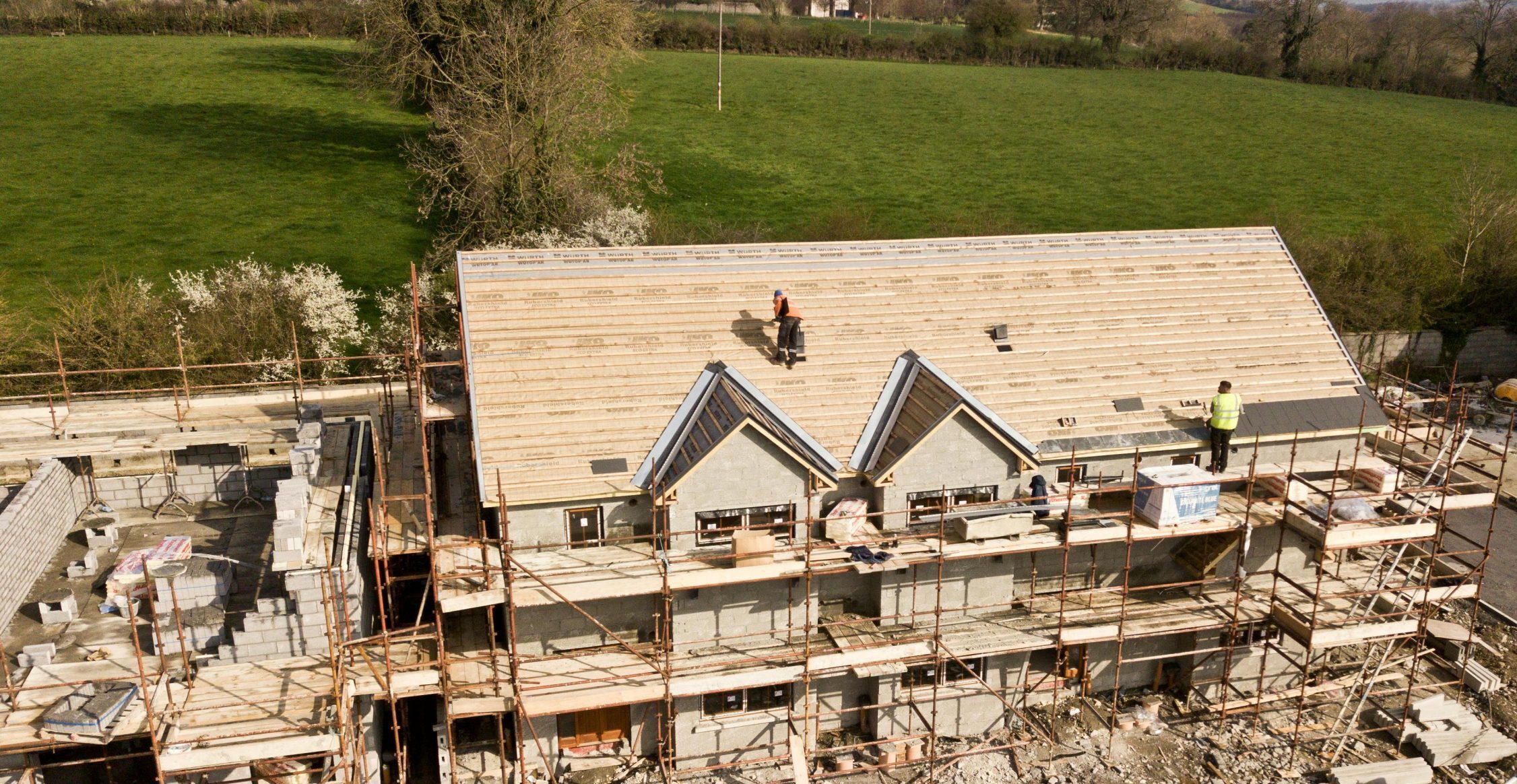
Roof Failures & Legal Exposure
When Roof Failures Become Legal Liabilities
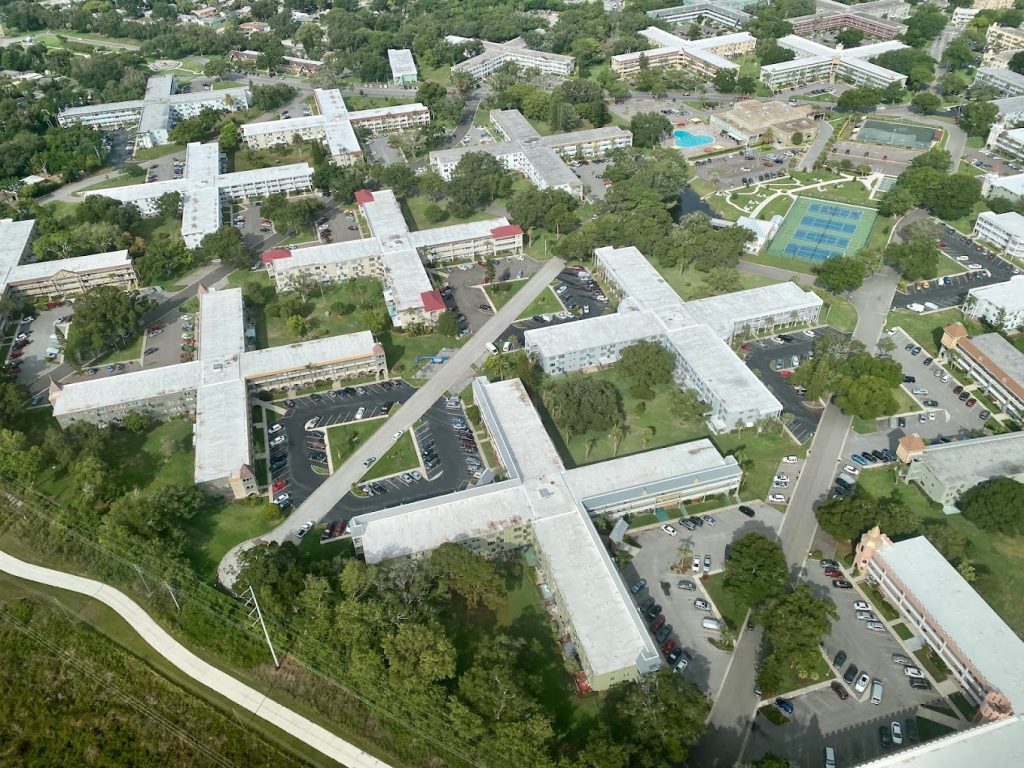
Roof failures are rarely just a construction problem. They are often the starting point of insurance disputes, construction defect claims, and high-stakes litigation. What begins as a leak, uplifted shingles, or structural distress can quickly escalate into allegations of negligence, code violations, or improper workmanship.
That’s where forensic engineering steps in. And that’s where Beryl Engineering & Inspection gets called.
Structural Failures vs. Workmanship Issues
(And why the distinction matters)
One of the first questions in any roofing dispute is deceptively simple: why did it fail?
From a legal and engineering standpoint, roof failures typically fall into two categories:
Structural Issues
- Inadequate roof framing or truss design
- Load path discontinuities
- Improper attachment to supporting walls
- Failure under wind, uplift, or impact loads
These issues often trace back to design errors, undocumented modifications, or incomplete engineering review.
Workmanship Issues
- Improper installation of roofing systems
- Inadequate flashing or fastening
- Deviations from manufacturer specifications
- Poor sequencing or quality control during construction
While workmanship failures are common, they are frequently misidentified as structural defects. That misclassification can dramatically shift liability, insurance coverage, and legal outcomes.
With Beryl’s emphasis on structural engineering, our qualified inspectors don’t guess. They document, analyze, and differentiate.
Code Compliance: The Silent Deal Breaker
Florida roofing failures rarely exist in a vacuum. They are evaluated against a complex framework that includes:
- Florida Building Code requirements
- Local amendments and jurisdictional interpretations
- Product approvals and installation criteria
- Wind zone and exposure classifications
In litigation, code compliance becomes leverage.
A roof that “worked” for years can still be deemed noncompliant if it failed to meet the governing code at the time of construction or repair. Conversely, a damaged roof may still be code-compliant and structurally sound, shifting responsibility away from designers or contractors.
Beryl’s forensic evaluations focus on what was required, what was installed, and what actually failed, supported by documentation that holds up under legal scrutiny.
Why Expert Testimony Changes the Outcome
Roofing litigation is technical. Judges, juries, and arbitrators rely on experts to translate engineering facts into clear, defensible conclusions.
Effective expert witness services support includes:
- Objective, peer-review-ready forensic reports
- Photo-documented findings tied to standards and codes
- Clear differentiation between storm damage, wear, and defects
- Expert testimony that is precise, credible, and defensible
Inconsistent opinions or poorly supported conclusions can undermine an otherwise valid claim. Strong expert testimony does the opposite. It clarifies responsibility, narrows disputes, and often accelerates resolution.
The Cost of Waiting
Delays in forensic evaluation often result in:
- Altered or repaired conditions that obscure evidence
- Expanded damage and secondary failures
- Increased dispute costs and prolonged litigation timelines
Early engagement of a structural engineering expert preserves facts and reduces uncertainty.
Engage Beryl for Forensic Roof Evaluations
Whether you are navigating roofing litigation, construction defect claims, or insurance disputes, Beryl Engineering & Inspection provides independent, engineering-driven clarity.
Our forensic roof evaluations support:
- Attorneys and legal teams
- Contractors and developers
- Public adjusters and insurers
- Property owners and associations
📩 Ready to move from speculation to facts?
Engage Beryl for forensic roof evaluations and get defensible answers backed by engineering, not assumptions.